

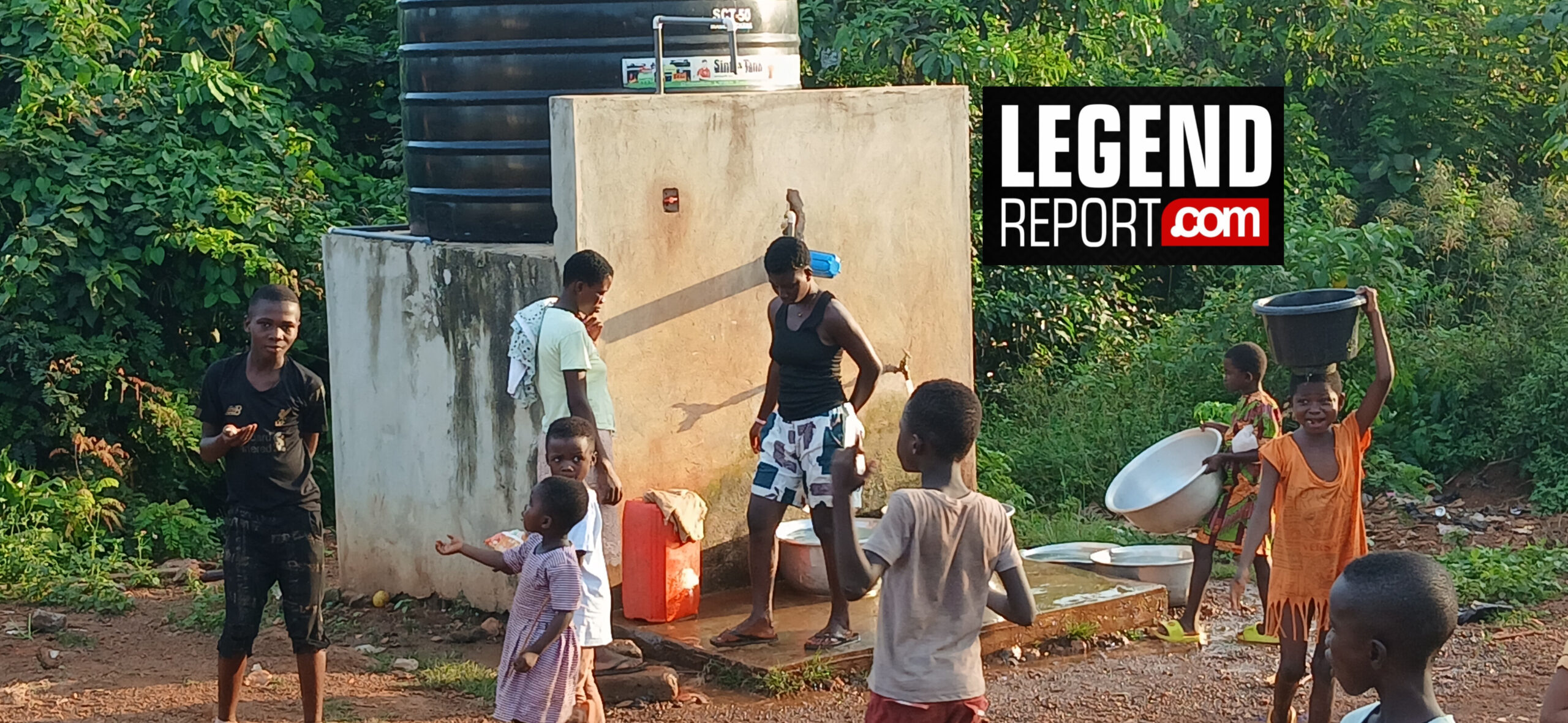
Residents of Biano, a farming community in the Bia West District of the Western North Region, are calling for urgent intervention as they grapple with a severe water crisis. The community, which relies on a single mechanized borehole and three additional boreholes for its water supply, is facing a dangerous public health situation. According to the locals, the water sources are allegedly contaminated and are causing a rise in waterborne diseases, particularly typhoid.
Residents report that many members of the community, including children under the age of five, have fallen ill with typhoid fever after drinking from the boreholes. In interviews conducted with six affected individuals, it was revealed that after visiting health facilities, all were diagnosed with typhoid. Health workers have reportedly confirmed that the water is the likely cause of the outbreak, advising residents to stop drinking from the boreholes.
“We have no choice but to drink this water, even though we know it’s making us sick,” one resident shared. “But we can’t afford bottled or sachet water. The situation is desperate.”
The outbreak has affected nearly every household in the community. According to the residents, the lack of access to safe drinking water has made daily life increasingly difficult. Many are being forced to buy bottled or sachet water, which is not affordable for most families.
Louis Afful, the assembly member for the Elluokrom electoral area, confirmed the severity of the situation. He stated that he had visited several victims in local health facilities, where it was confirmed that they had contracted typhoid fever. Health professionals have repeatedly warned the community to stop using the contaminated water, but the lack of alternative sources has left them with little choice.
Afful has officially reported the issue to the assembly, and authorities have promised to address the problem by drilling a new borehole. However, the assembly member is urging non-governmental organizations (NGOs) and the government to provide more immediate support, particularly as the community continues to battle the outbreak.
“This is a health emergency, and we need help now,” Afful stated. “I plead with the authorities and NGOs to step in and assist our people. We cannot afford to wait much longer for a solution.

The community is in dire need of access to safe drinking water, and the situation calls for immediate action to prevent further outbreaks and to safeguard the health of the residents, especially the children, who are most vulnerable to waterborne diseases.
Local authorities and health experts are now calling for urgent interventions to provide clean, safe water for the community, ensuring that such a public health crisis does not escalate further.
