

The National Anti-Illegal Mining Operations Secretariat (NAIMOS), in collaboration with the Blue Water Guards, has achieved significant operational success in the Western Region following a series of sustained enforcement actions carried out between January 16 and 17, 2026.
The operations, which targeted both water bodies and land-based mining sites, have severely disrupted illegal mining networks, inflicted heavy financial losses on operators, and reduced immediate environmental threats to rivers, farmlands, and public infrastructure.
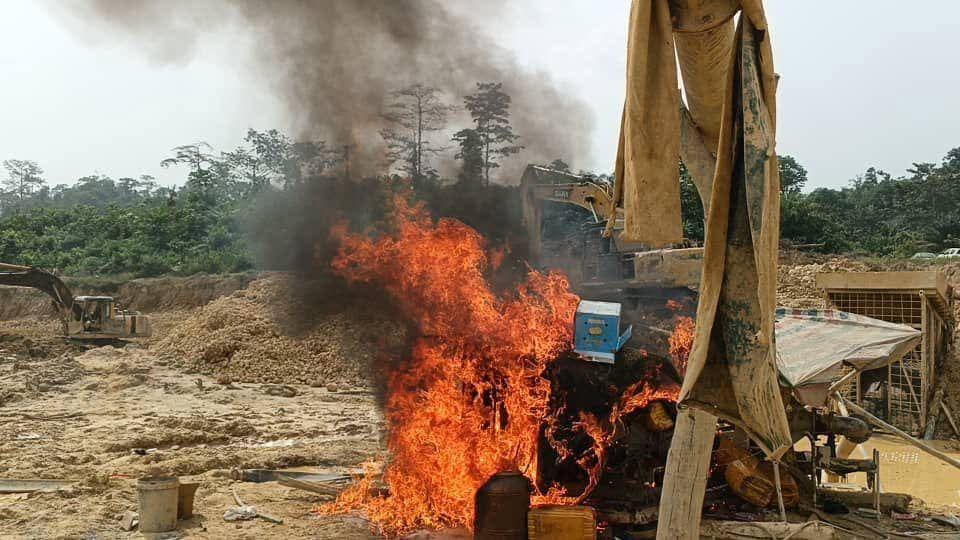
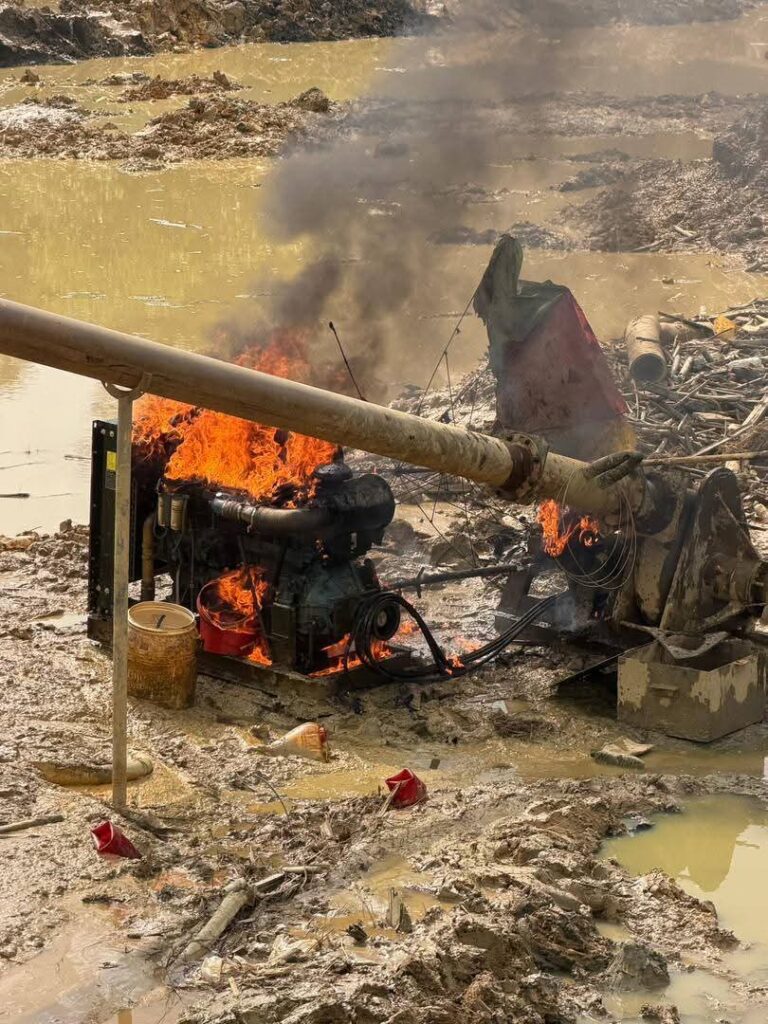
The crackdown commenced in the early hours of Friday, January 16, 2026, around 0615 hours, when NAIMOS operatives raided illegal mining sites along the Ankobrah River at Ablebo in the Nzema East District. About sixty (60) illegal miners were found actively operating on the river but fled upon the arrival of the task force, abandoning approximately fifty (50) improvised boats mounted with an estimated eighty (80) chanfan machines. All chanfan machines and related equipment were destroyed, halting operations on that section of the river and preventing further pollution.
To consolidate the gains of the morning raid, NAIMOS conducted a follow-up night operation between 1800 hours and 2019 hours at the same location. Reconnaissance revealed that the illegal miners, anticipating another raid, had removed essential equipment from the river. To prevent a quick return, the task force gathered remaining floating boats and wooden gold-washing platforms and set them ablaze, dismantling the logistical base of the illegal operations.
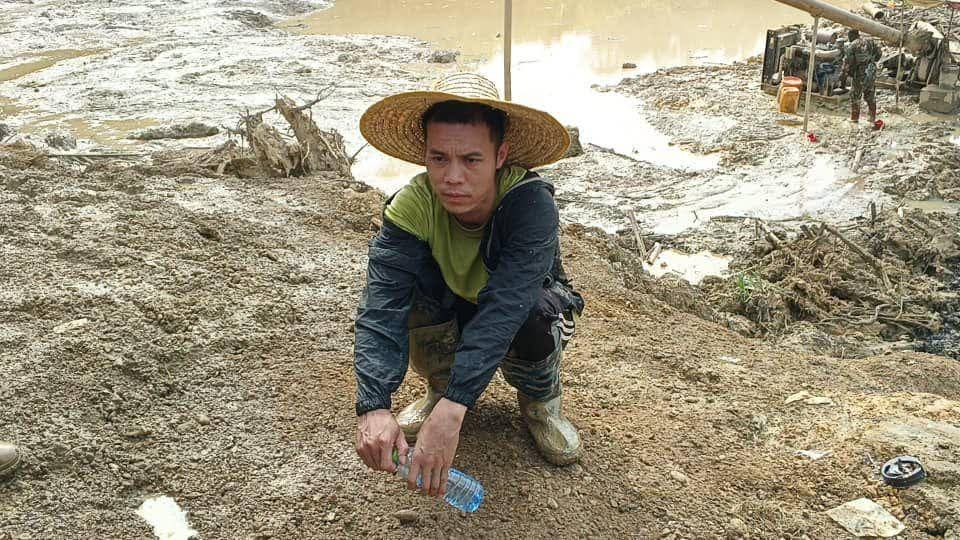
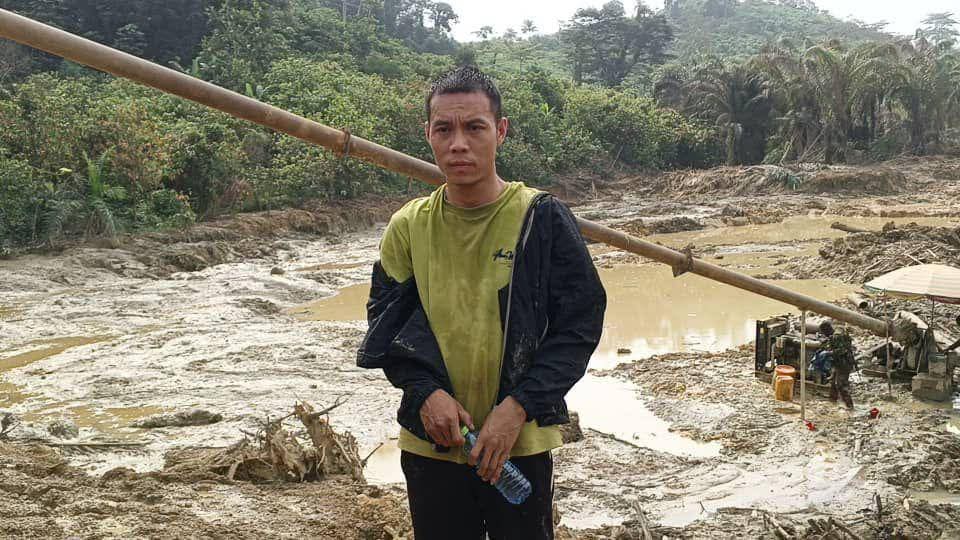
On Saturday, January 17, 2026, at about 0915 hours, NAIMOS extended the operation to Anyinase in the Tarkwa Nsuaem District, where both Chinese and local miners were operating under a high-tension electric pole. One (1) Chinese national was arrested, while others fled. A Toyota Hilux pickup used in the activity was seized, and two (2) heavy-duty water pumping machines with hoses were destroyed. An excavator previously in use at the site was moved and concealed nearby after an apparent tip-off. The suspect and the seized vehicle were escorted to the NAIMOS headquarters for further investigations.
Later that day, between 1430 and 1900 hours, NAIMOS operatives conducted another operation at Mensah-Krom, Wassa Akropong, targeting two (2) illegal mining sites operated by Chinese nationals. At the first site, two (2) excavators were found in active use but were immobilized after the operators fled.
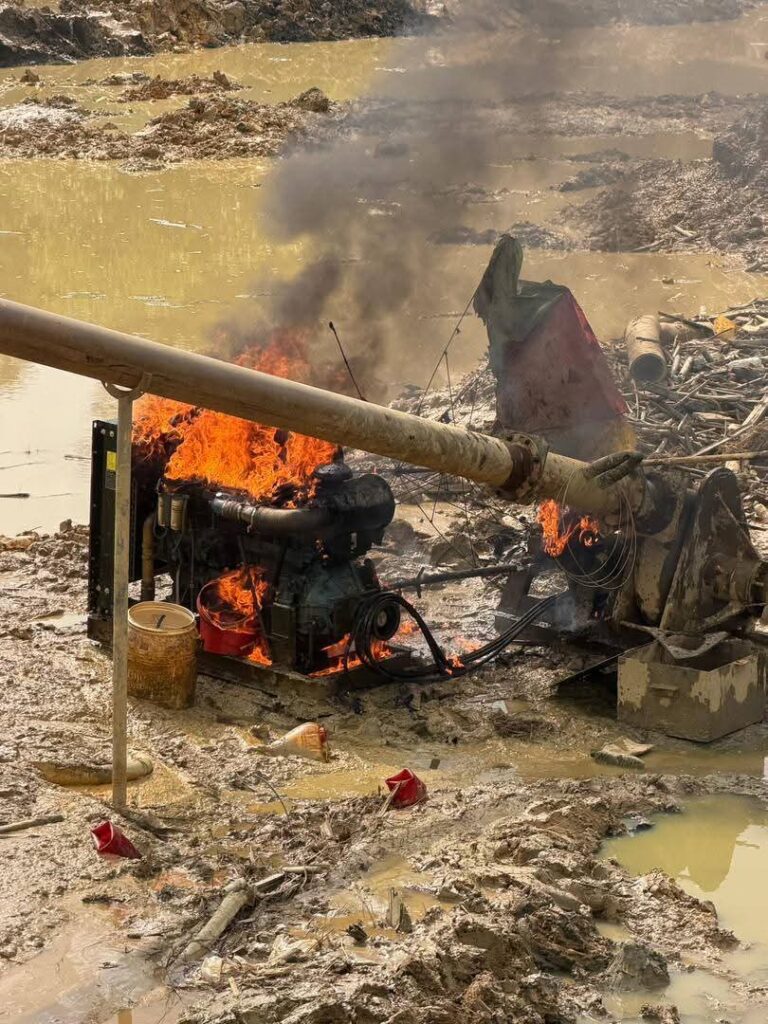
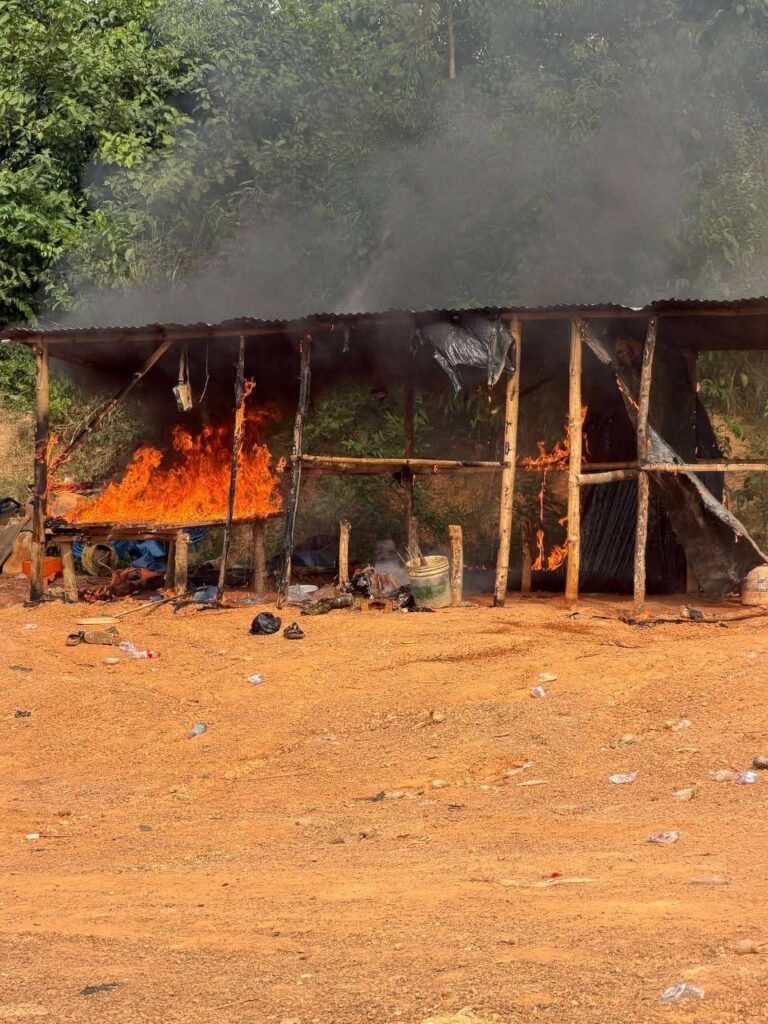
Additional mining equipment, including industrial water pumps, gold-trapping carpets, and hoses, were seized and destroyed. The operation revealed extensive environmental damage, including destruction of farmlands and palm plantations, with mining activities dangerously close to a third-class road.
At a second nearby site, fresh excavator tracks indicated recent activity. Intelligence from locals confirmed that two (2) excavators had been in operation earlier in the day but were moved after receiving advance information about the task force’s approach. Makeshift structures and personal belongings left behind were dismantled and destroyed.
The cumulative effect of these operations has been a significant blow to illegal mining activities across the Western Region. By destroying river-based machinery, burning floating platforms, immobilizing excavators, seizing vehicles, and arresting key actors, NAIMOS has raised the operational cost of illegal mining and weakened its networks.
The actions have also provided immediate ecological relief to the Ankobrah River and surrounding farmlands.
Going forward, NAIMOS has announced plans to maintain a permanent deployment of operatives in identified hotspots—particularly along critical rivers and high-risk communities—as part of its long-term strategy to eradicate illegal mining.
This will be complemented by sustained day-and-night operations, enhanced intelligence gathering, collaboration with the Blue Water Guards, and rapid-response interventions to prevent re-entry by illegal miners.
According to NAIMOS, these measures are designed to ensure that the gains made are sustained, illegal miners are deterred from returning, and Ghana’s natural resources—especially its water bodies, farmlands, and communities—are preserved for future generations.
