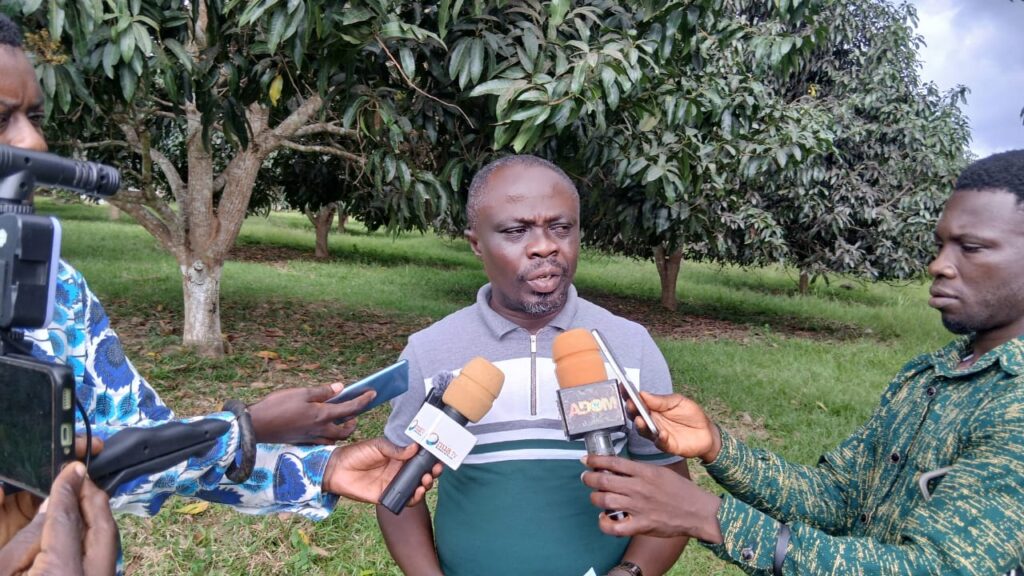

Two senior high schools in the Sefwi Wiawso Municipality to begun commercial farming projects as part of efforts to support the government’s Feed Ghana program. The initiative aims to improve food security, reduce feeding costs in schools, and inspire young people to consider agriculture as a viable business venture.
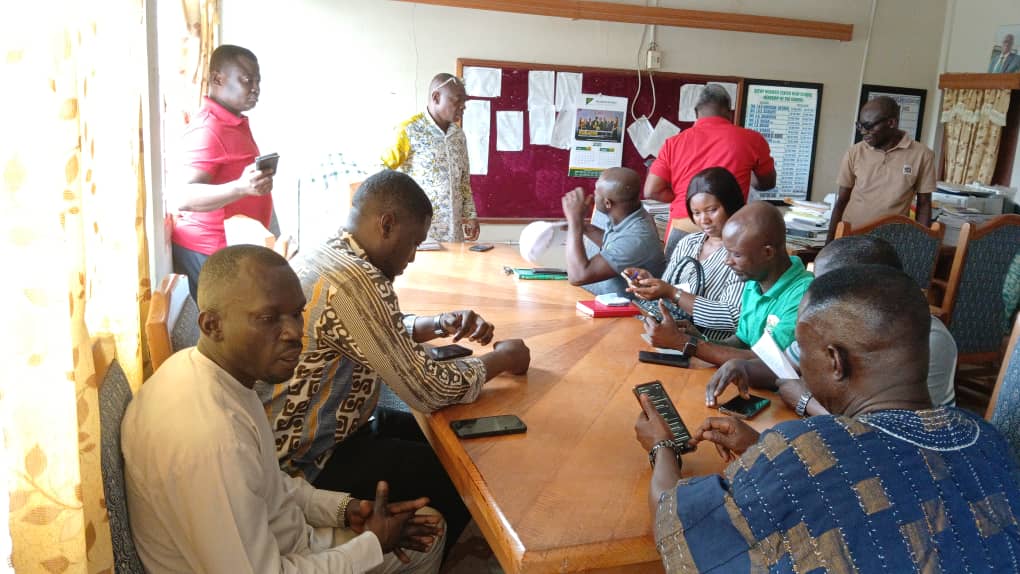
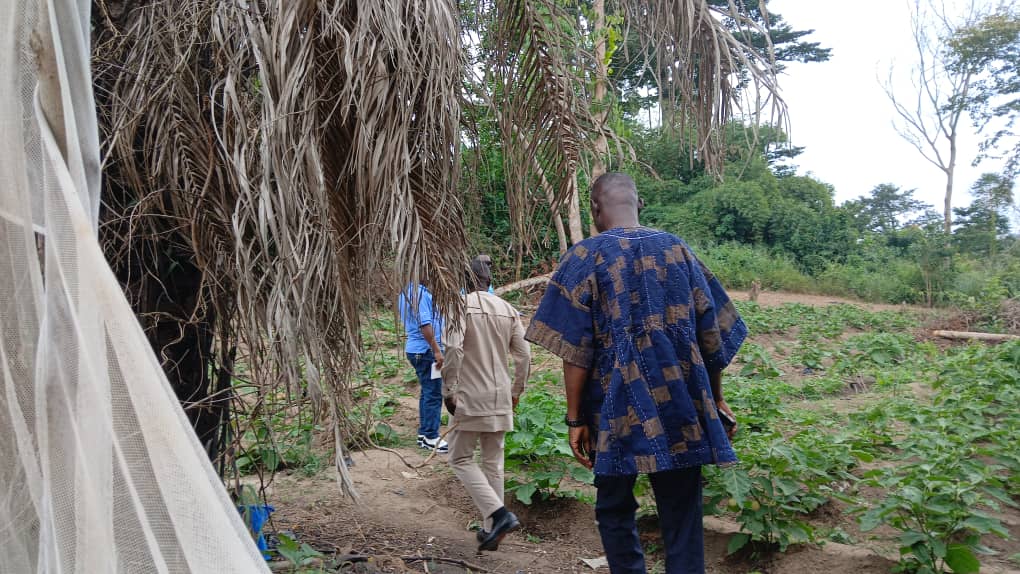
At Sefwi Wiawso Senior High Technical School, a large expanse of fertile land has been allocated for farming. The school has already started demonstration farms, cultivating vegetables such as garden eggs to feed students and provide hands-on training for agricultural science learners.
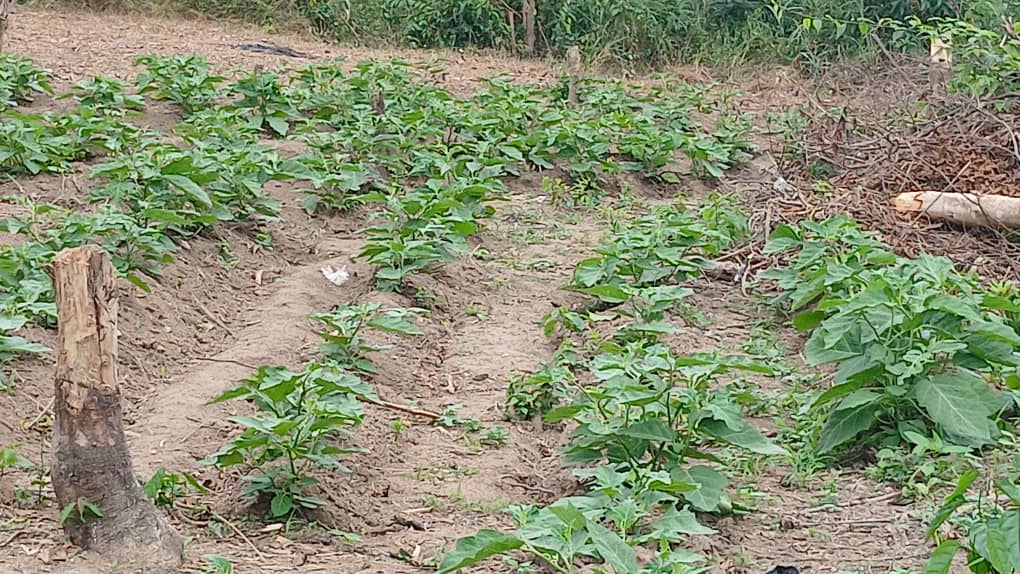
Despite the progress, the school faces challenges. Stray animals regularly invade the unfenced compound and destroy crops, while the lack of modern equipment makes large-scale farming difficult. School authorities have therefore appealed to the Ministry of Food and Agriculture (MoFA) for support to expand into full commercial farming.
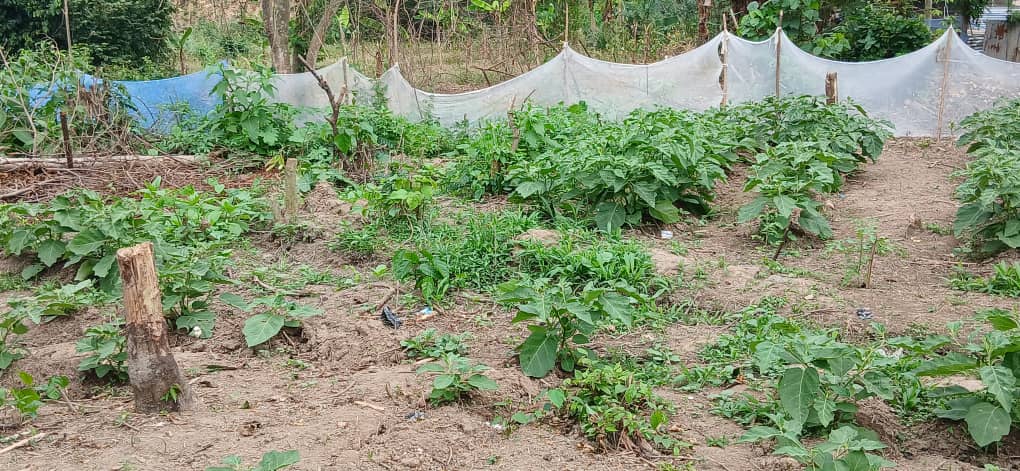
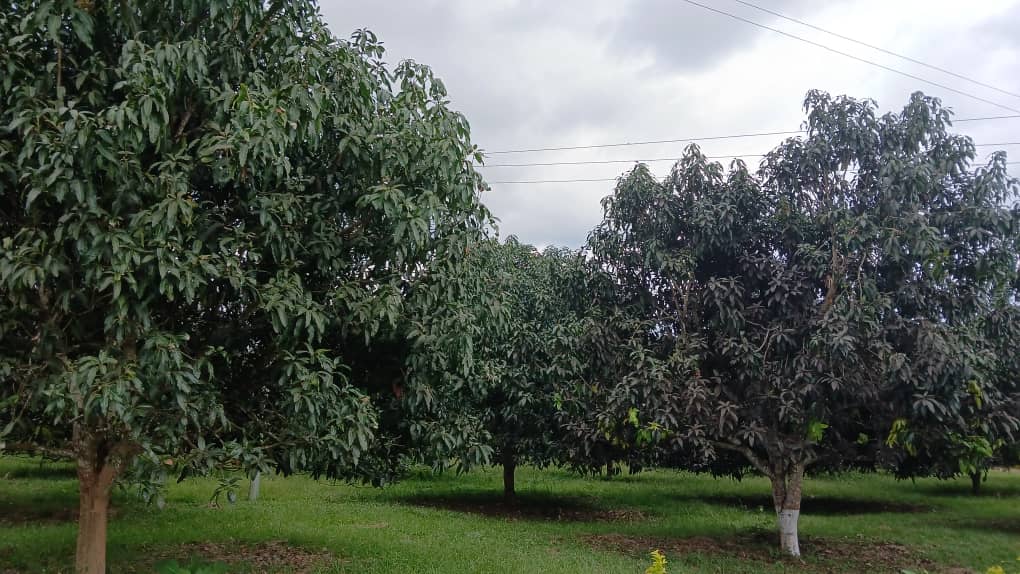
Sefwi Wiawso Senior High School has also made strides in institutional agriculture. The school manages mango and coconut plantations, a pepper farm, and a piggery of about 30 pigs. These initiatives earned the school national recognition in 2019 as one of the country’s best agricultural institutions.
Authorities at the school are requesting assistance with fertilizers, improved seeds, and additional labor. They explained that students alone cannot sustain the workload. With the right support, they believe the school is ready to scale up farming activities to help drive the Feed Ghana program.
The Municipal Chief Executive for Sefwi Wiawso, Dominic Gyasi, has praised the two schools for their efforts and pledged the assembly’s support. He highlighted the abundance of arable land within the municipality, stressing that it can be harnessed to sustain similar programs across other institutions.

Western North Regional Minister, Wilbert Petty Brentum, also reaffirmed government’s commitment to institutional farming. He revealed that 64 schools in the region are currently engaged in the program, with 53 focusing on crop farming and 11 on livestock. He further announced plans to introduce awards to recognize the best-performing institutions.
The Deputy Coordinator of the Feed Ghana program for institutional farming, Gorden Asubonteng, reported that his team has visited seven out of nine districts in the region and commended institutions for their efforts. He, however, raised concerns about land encroachment and the destruction of crops by stray animals, urging authorities to enforce regulations on animal rearing and land protection.
The Feed Ghana program, a key component of the Planting for Food and Jobs policy, is steadily gaining ground in the Western North Region. With more schools embracing agriculture, the initiative is not only supplementing feeding programs but also equipping students with practical skills to become future agripreneurs.