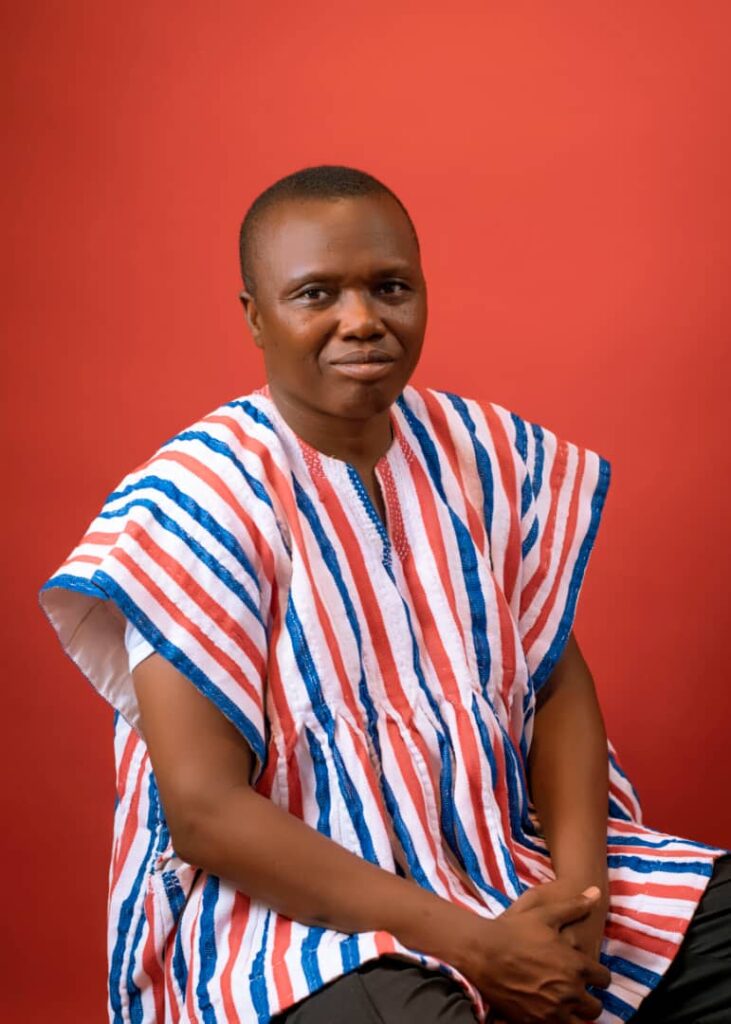




Philip Kwabena Boahen, former District Chief Executive (DCE) for Suaman District in the Western North Region and a hopeful for the New Patriotic Party (NPP) Western North Regional Organizer position, has welcomed the Supreme Court’s decision to end the delegates system used by political parties in selecting presidential and parliamentary candidates.
He described the ruling as a significant step that places greater trust in the grassroots to choose party leaders.
Speaking on Winners FM’s Omanba Pa programme with Odehyieba, monitored by Apiah-Kubi, Philip Boahen said he fully supports the reforms to the delegates system and is comfortable with the Supreme Court’s decision.
“This is a good decision. It will even reduce the cost of our internal elections. It will not have any negative effect because it broadens participation in decision-making,” he stated.
According to him, expanding the voting base will strengthen internal democracy, reduce electoral violence, and promote greater participation in the selection of presidential and parliamentary candidates.
Boahen also called on the state to assist in financing the electoral processes of political parties’ internal elections to reduce the financial burden on the parties.
“I believe that if members in good standing are eligible to elect leaders, their dues can support party activities. The state should also assist by providing resources for the Electoral Commission to conduct these internal elections,” he said.
He further argued that the ruling would help reduce vote buying during party elections.
On the ongoing constitutional review process, Hon. Boahen endorsed the proposal to extend the presidential term from four years to five years and to reduce the minimum age requirement for presidential candidates to 35 years.
He explained that a four-year term gives governments limited time to fully implement their development programmes because the first year is often consumed by transition and appointments, while the final year is dominated by election activities.
“My thinking is based on facts. Under the current four-year term, the first year is largely spent on transition matters, and the final year is consumed by election campaigns. A five-year term provides a more realistic timeframe for governance and policy implementation,” he stated.
He concluded by expressing support for reducing the minimum presidential age to 35 years, saying it would create more opportunities for young people to prepare for and assume national leadership roles.
Source: Apiah-Kubi – Fabea FM.