


By Kwadwo Nyamekye Bigbrain
A political analysis of the internal dynamics within the New Patriotic Party (NPP) in the Sefwi Wiawso Constituency has raised concerns about the party’s chances of retaining the parliamentary seat in the 2028 general elections.
In an opinion piece, Kwadwo Nyamekye Bigbrain argues that the NPP must learn from its 2024 parliamentary primary and avoid internal divisions that could undermine its electoral fortunes.
He observes that Sefwi Wiawso has historically been a stronghold of the National Democratic Congress (NDC), which has won seven of the nine parliamentary elections held in the constituency. He further notes that even Dr. Kwaku Afriyie, a prominent political figure, needed four attempts before winning the seat for the first time in 2016.
According to the writer, the NPP needed a more strategic approach to retain the constituency in the 2024 elections, particularly considering how narrowly the party won the seat in 2020.
He questions whether holding competitive parliamentary primaries was the best decision, given the potential divisions they could create within the party.
The writer cites the January 27, 2024, parliamentary primaries, in which Festus Bumakama Agyapong secured 592 votes, while the other four contestants collectively obtained 282 votes.
He argues that the overwhelming victory demonstrated Bumakama’s popularity among delegates and that a negotiated consensus could have been a better option than an internal contest.
He further suggests that the divisions following the primaries may have weakened the party’s ability to unite behind its parliamentary candidate ahead of the 2024 general elections.
Concerns over the 2028 parliamentary contest
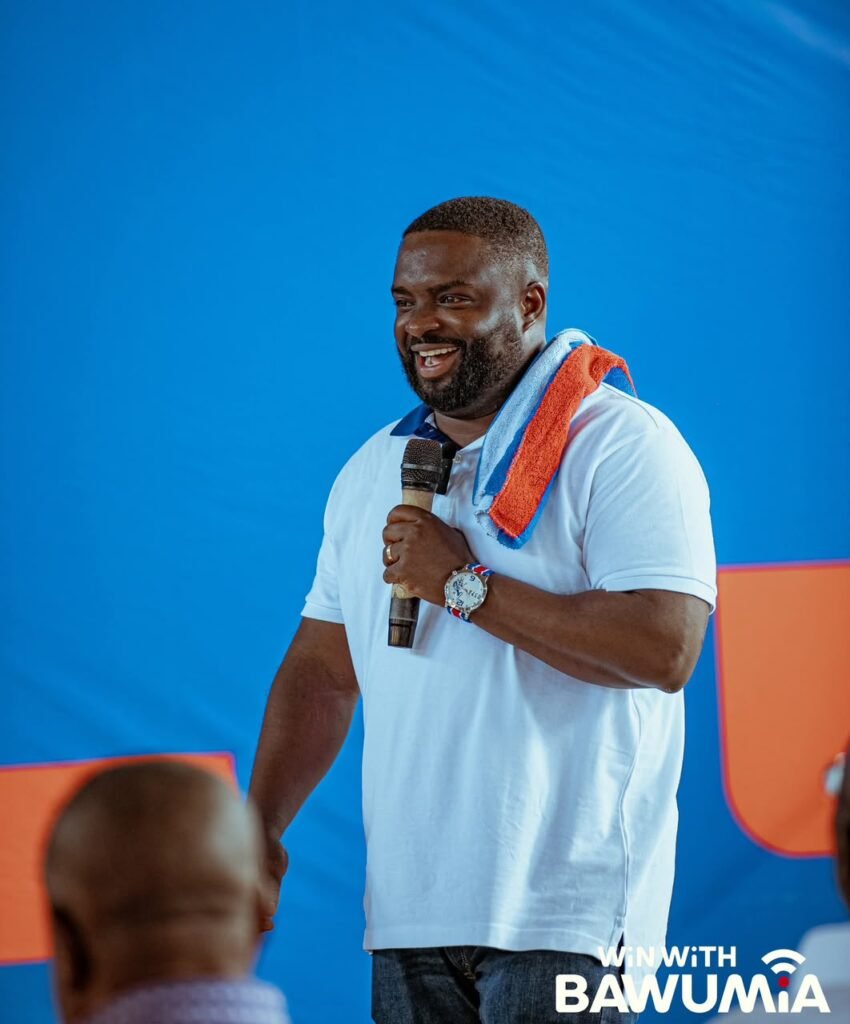
Looking ahead to the 2028 elections, Bigbrain expresses concern about the growing number of aspirants seeking to challenge the incumbent NPP parliamentary candidate, Festus Bumakama Agyapong.
He points to the reported interest of Dr. Kwame Afriyie, son of Dr. Kwaku Afriyie, and the newly elected constituency chairman, popularly known as Obasanjo, as developments that could make the contest more politically sensitive.
According to him, the historical influence of the Afriyie family within the Western North NPP and the political standing of the current constituency chairman could complicate the internal contest if the situation is not properly managed.
He cautions that a poorly managed parliamentary primary could deepen divisions and further weaken the NPP’s chances of reclaiming or retaining the Sefwi Wiawso seat in 2028.
Bigbrain also raises questions about the intentions behind the growing number of challengers, suggesting that a coalition among the aspirants to select one candidate could present a stronger challenge to Bumakama than having several candidates divide their votes.
Bumakama’s 2024 performance
The writer also defends Bumakama’s performance in the 2024 general elections, describing him as the best-performing first-time NPP parliamentary candidate in the circumstances.
He bases his assessment on the party’s reported reduction in vote share from 45.1 per cent in 2020 to 42.55 per cent in 2024, representing a net decline of 2.55 percentage points.
He argues that the NPP faced considerable internal and external political challenges ahead of the 2024 elections and that the decline could have been significantly higher.
Call for consensus ahead of 2028
In his concluding remarks, Bigbrain maintains that building consensus within the party could be less costly politically than organising a divisive parliamentary primary.
He therefore urges the NPP leadership to treat Sefwi Wiawso as an important test case in its efforts to identify winnable parliamentary candidates ahead of the 2028 general elections.
He warns that the party risks losing the constituency if internal political disagreements are allowed to escalate.
“We live to learn,” he concludes.
Source: Kwadwo Nyamekye Bigbrain, Grandma’s Grave.