


By Haruna Elizabeth
Dr. Bernard Gyan, an academician, researcher and medical laboratory advocate, has called on laboratory professionals to embrace innovation, strategic leadership and professional excellence to transform laboratory services in Ghana. He made the call at the Annual Conference of the Ghana Association of Medical Laboratory Scientists (GAMLS) in the Bono East Region, held under the theme: Transforming Laboratory Services through Innovation, Leadership and Professional Excellence.

Delivering the keynote address, Dr. Gyan said innovation in the laboratory should not be limited to the acquisition of expensive automated analysers, but should involve the courage to improve and rethink existing processes. He challenged laboratory professionals to continually ask themselves: How can we do this differently and better in our labs?” He noted that innovation could be applied to workflow redesign, specimen transportation, quality management, patient communication, digital reporting, research, education and policy.
Dr. Gyan further highlighted the growing importance of Artificial Intelligence (AI) in laboratory practice. While acknowledging concerns among some professionals that AI could eventually replace laboratory scientists, he argued that the technology would not replace competent professionals. Rather, he cautioned that laboratory scientists who refuse to embrace AI could eventually be outperformed by colleagues who learn to use the technology effectively.
He also urged laboratory professionals to develop strategic leadership skills capable of preparing their institutions for future challenges. According to him, while operational leaders focus on completing today’s workload, strategic leaders ask, What kind of laboratory must we become in the next ten years?” He stressed that this distinction is critical because the healthcare landscape is changing rapidly and laboratories must anticipate and respond to emerging challenges.
Dr. Gyan acknowledged Ghana’s significant progress in strengthening laboratory services over the past two decades, including the expansion of molecular diagnostic capacity during the COVID-19 pandemic, improvements in disease surveillance, increased participation in external quality assessment programmes and the growing emphasis on accreditation. However, he cautioned against complacency, citing challenges such as inadequate staffing, equipment downtime, limited maintenance arrangements, reagent supply disruptions, power instability, uneven quality management practices and limited research output from some routine diagnostic laboratories.
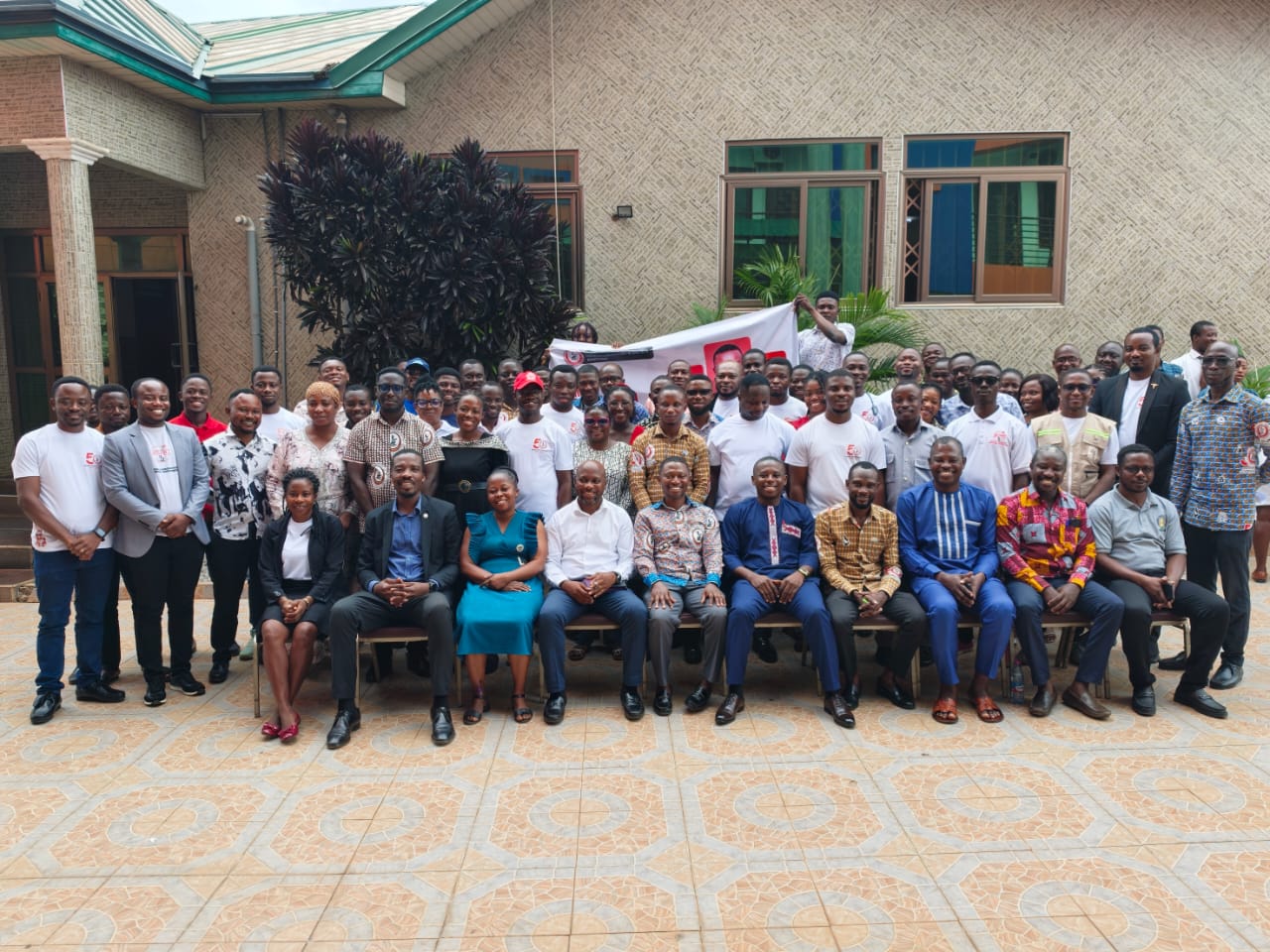
The annual regional conference brought together laboratory professionals to promote continuing professional development, policy dialogue and the sharing of best practices aimed at improving diagnostic service delivery and patient care. The conference also featured scientific sessions, panel discussions on the role of laboratory professionals in public health surveillance, and the election of new regional officers.
The Municipal Chief Executive (MCE) for Kintampo North, Hon. Isaac Donkor, who served as the Special Guest of Honour, described his participation as an honour and privilege and reaffirmed the government’s commitment to strengthening primary healthcare. He said President John Mahama’s administration has prioritised improved access to healthcare, digitalisation, better-equipped health facilities, workforce empowerment and stronger public health systems. He assured the conference of the Kintampo North Municipality’s commitment to supporting initiatives that strengthen healthcare delivery through collaboration with relevant stakeholders.
The occasion was chaired by Dr. (Med) Alfred Ampofo, Municipal Director of Health Services for Kintampo North Municipality, while Mr. Enock Bannie, Chairman of Bono East GAMLS, hosted the conference.