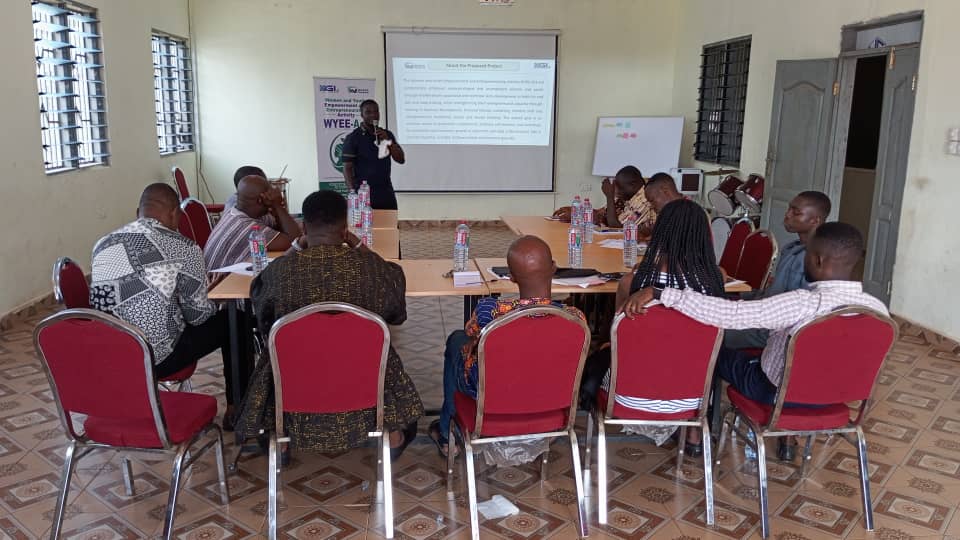



In a bold step toward tackling unemployment and fostering inclusive development, Kleis Network in collaboration with the KGL Foundation have rolled out the Women and Youth Empowerment and Entrepreneurship Activity (WYEE-Act) across ten communities in the Juaboso and Bodi districts of Ghana’s Western North Region.
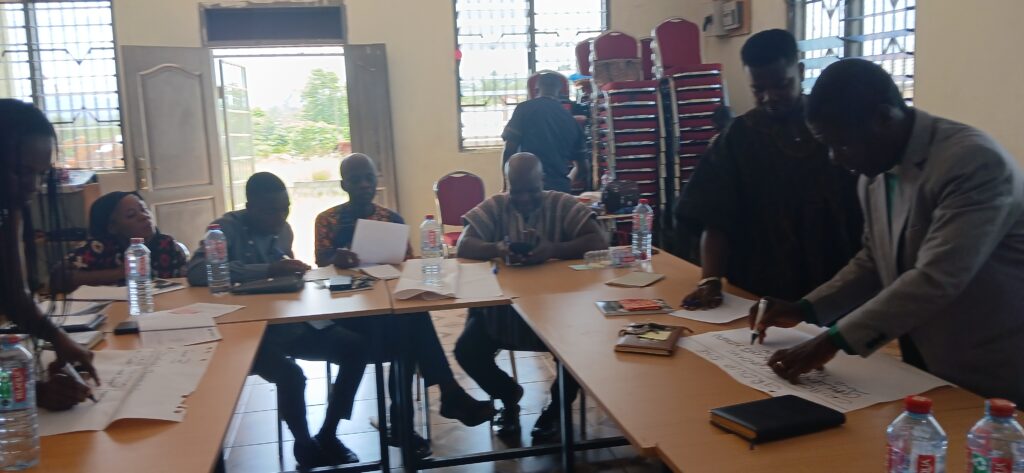
The initiative comes at a critical time when youth and women in rural Ghana continue to face limited access to sustainable livelihoods, skills training, and economic opportunities. WYEE-Act is designed to directly confront these challenges by equipping beneficiaries with practical, market-relevant skills in batik tie and dye and soap making, entrepreneurial knowledge, and access to support systems that enable them to thrive.
Speaking on the initiative, representatives of Kleis Network emphasized that WYEE-Act is not just another development project, but a long-term investment in people and communities.
“Our focus is to empower women and young people to become self-reliant, economically active, and resilient. When individuals are empowered, entire communities are transformed,” they noted.
The program adopts a holistic approach, combining skills development, entrepreneurship training, mentorship, and community engagement. Beneficiaries are being trained in various vocational and income-generating activities, while also receiving guidance on business development, financial literacy, and market access.
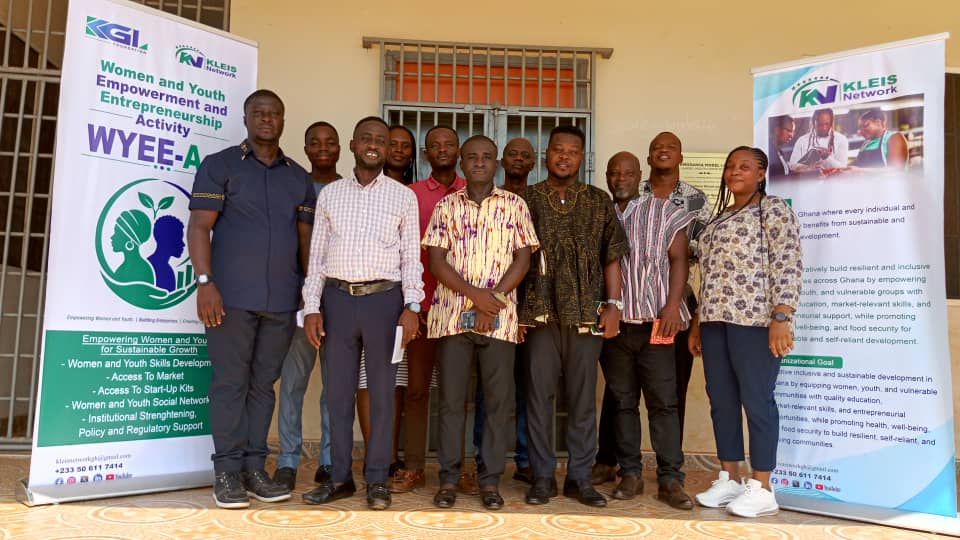
Beyond economic empowerment, WYEE-Act also promotes social inclusion and community resilience. It creates safe spaces for dialogue, encourages collaboration among stakeholders, and strengthens local capacities to sustain development outcomes long after the project lifecycle.
Community leaders and participants have already begun to express optimism about the initiative. Many see it as a timely intervention that addresses both immediate needs and long-standing structural challenges in the districts.
As Kleis Network continues to expand its footprint, WYEE-Act stands as a powerful example of how targeted, community-driven interventions can unlock potential, reduce vulnerability, and pave the way for sustainable development.
With ten communities already engaged and more impact stories emerging, WYEE-Act is poised to become a model for grassroots empowerment, one that places women and youth at the center of Ghana’s development agenda.